Seed-starting calendar
Count back from your last spring frost: start leeks 13 to 18 weeks before it, onions 10 to 14, celery 9 to 11, peppers and eggplant 4 to 6, tomatoes 3 to 5. Type your ZIP code for your own dates.
Example garden, zone 7a · last frost Apr 15
Week by week
Or show a zone
Week of Dec 1018 weeks before your last frost
Week of Jan 714 weeks before your last frost
Week of Jan 2811 weeks before your last frost
Week of Feb 410 weeks before your last frost
Week of Feb 119 weeks before your last frost
Week of Feb 188 weeks before your last frost
Week of Mar 46 weeks before your last frost
Week of Mar 115 weeks before your last frost
Week of Mar 184 weeks before your last frost
Last frost · Apr 15Tender seedlings such as tomatoes go out after it; onions and the cabbage family a few weeks before.


Seed-starting chart
Every crop on one page: when to sow it indoors, pot it up, start hardening it off and plant it out.
| Crop | Sow indoors | Pot up | Harden off | Plant out |
|---|---|---|---|---|
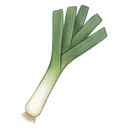
| Leeks | Dec 10 – Jan 1413–18 weeks before your last frost | Not needed: grow on in the flat | From Mar 11 | Mar 25 – Apr 223 weeks before to 1 week after your last frost |
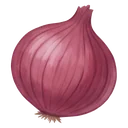
| Onions | Jan 7 – Feb 410–14 weeks before your last frost | Not needed: grow on in the flatSeedlings up in 7–10 days | From Mar 4 | Mar 18 – Apr 12–4 weeks before your last frost |
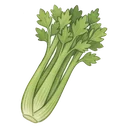
| Celery | Jan 28 – Feb 119–11 weeks before your last frost | At 1–2 sets of true leavesSeedlings up in 9–21 days | From Apr 8 | Apr 22 – May 61–3 weeks after your last frost |
| Chives | Feb 4–188–10 weeks before your last frost | At 1–2 sets of true leaves | From Mar 11 | Mar 25 – Apr 223 weeks before to 1 week after your last frost |
| Cabbage | Feb 4–257–10 weeks before your last frost | At 1–2 sets of true leavesSeedlings up in 4–10 days | From Mar 4 | Mar 18 – Apr 12–4 weeks before your last frost |
| Broccoli | Feb 11 – Mar 115–9 weeks before your last frost | At 1–2 sets of true leavesSeedlings up in 3–10 days | From Mar 11 | Mar 25 – Apr 153 weeks before your last frost to the week of it |
| Parsley | Feb 18 – Mar 46–8 weeks before your last frost | At 1–2 sets of true leavesSeedlings up in 15–21 days | From Mar 18 | Apr 1–292 weeks before to 2 weeks after your last frost |
| Cauliflower | Feb 18 – Mar 115–8 weeks before your last frost | At 1–2 sets of true leavesSeedlings up in 4–10 days | From Mar 18 | Apr 1–152 weeks before your last frost to the week of it |
| Peppers | Mar 4–184–6 weeks before your last frost | At 1–2 sets of true leavesSeedlings up in 9–14 days | From Apr 15 | Apr 29 – May 132–4 weeks after your last frost |
| Hot peppers | Mar 4–184–6 weeks before your last frost | At 1–2 sets of true leavesSeedlings up in 9–14 days | From Apr 15 | Apr 29 – May 132–4 weeks after your last frost |
| Eggplant | Mar 4–184–6 weeks before your last frost | At 1–2 sets of true leavesSeedlings up in 6–10 days | From Apr 15 | Apr 29 – May 132–4 weeks after your last frost |
| Basil | Mar 4 – Apr 12–6 weeks before your last frost | At 1–2 sets of true leaves | From Apr 15 | Apr 29 – May 132–4 weeks after your last frost |
| Tomatoes | Mar 11–253–5 weeks before your last frost | At 1–2 sets of true leavesSeedlings up in 6–12 days | From Apr 8 | Apr 22 – May 61–3 weeks after your last frost |
| Marigolds | Mar 11 – Apr 12–5 weeks before your last frost | At 1–2 sets of true leaves | From Apr 8 | Apr 22 – May 61–3 weeks after your last frost |
| Tomatillos | Mar 18 – Apr 81–4 weeks before your last frost | At 1–2 sets of true leaves | From Apr 8 | Apr 22 – May 61–3 weeks after your last frost |
Seed-starting dates from average frost dates (NOAA 1991–2020 climate normals); watch your local forecast. Made with Grow by Season.
From seed to garden
Sow: count back from your last frost
Each crop starts a set number of weeks before your average last spring frost, so the seedlings are the right size when it is time to plant out.

Pot up at the first true leaves
Once a seedling has one or two sets of true leaves, move it to a pot an inch or two wider. Onions and leeks can stay in their flat.

Harden off for two weeks
Two weeks before planting out, set the young plants outside for a little longer each day, in a sheltered spot, so the sun and wind do not shock them.
Plant out on time
Frost-tender seedlings go out after the last frost. Hardier ones, such as onions and the cabbage family, go out a few weeks before it.
Seed-starting chart by zone
The first day to sow indoors in each USDA hardiness zone, from the zone's typical last frost. Each date opens the crop's sowing window; the last column redraws the chart above for that zone. In zones 10b to 11b frost is rare, so there is no last frost to count back from.
| Zone | Last frost | Leeks | Onions | Peppers | Tomatoes | Broccoli | Basil | Every crop |
|---|---|---|---|---|---|---|---|---|
| Zone 3a | May 28 | Jan 22 | Feb 19 | Apr 16 | Apr 23 | Mar 26 | Apr 16 | Zone 3a chart |
| Zone 3b | May 17 | Jan 11 | Feb 8 | Apr 5 | Apr 12 | Mar 15 | Apr 5 | Zone 3b chart |
| Zone 4a | May 12 | Jan 6 | Feb 3 | Mar 31 | Apr 7 | Mar 10 | Mar 31 | Zone 4a chart |
| Zone 4b | May 8 | Jan 2 | Jan 30 | Mar 27 | Apr 3 | Mar 6 | Mar 27 | Zone 4b chart |
| Zone 5a | May 3 | Dec 28 | Jan 25 | Mar 22 | Mar 29 | Mar 1 | Mar 22 | Zone 5a chart |
| Zone 5b | May 1 | Dec 26 | Jan 23 | Mar 20 | Mar 27 | Feb 27 | Mar 20 | Zone 5b chart |
| Zone 6a | Apr 29 | Dec 24 | Jan 21 | Mar 18 | Mar 25 | Feb 25 | Mar 18 | Zone 6a chart |
| Zone 6b | Apr 23 | Dec 18 | Jan 15 | Mar 12 | Mar 19 | Feb 19 | Mar 12 | Zone 6b chart |
| Zone 7a | Apr 16 | Dec 11 | Jan 8 | Mar 5 | Mar 12 | Feb 12 | Mar 5 | Zone 7a chart |
| Zone 7b | Apr 5 | Nov 30 | Dec 28 | Feb 22 | Mar 1 | Feb 1 | Feb 22 | Zone 7b chart |
| Zone 8a | Mar 29 | Nov 23 | Dec 21 | Feb 15 | Feb 22 | Jan 25 | Feb 15 | Zone 8a chart |
| Zone 8b | Mar 17 | Nov 11 | Dec 9 | Feb 3 | Feb 10 | Jan 13 | Feb 3 | Zone 8b chart |
| Zone 9a | Mar 2 | Oct 27 | Nov 24 | Jan 19 | Jan 26 | Dec 29 | Jan 19 | Zone 9a chart |
| Zone 9b | Feb 1 | Sep 28 | Oct 26 | Dec 21 | Jan 4 | Nov 30 | Dec 21 | Zone 9b chart |
| Zone 10a | Jan 24 | Sep 20 | Oct 18 | Dec 21 | Jan 4 | Nov 22 | Dec 21 | Zone 10a chart |
Where the weeks come from
Most extension guides count the weeks a seedling spends indoors before it goes out. This calendar keeps the weeks the guides agree on and counts them back from the plant-out window: the first sowing goes out on its first day after the longest of those weeks, the last sowing on its last day after the shortest. Tender crops go out one to four weeks after your last frost and hardy ones up to four weeks before it, so the weeks before the frost differ from the weeks indoors. For parsley and chives the guides count from the frost, and so does the calendar. A seed packet's own figure suits its variety best.
Show every crop
| Crop | This calendar | Extension guides |
|---|---|---|
| Tomatoes | 6 weeks indoors (3–5 weeks before the last frost): the one week all four guides share | VCE: 5–7 weeks indoors; UMN: 5–6 weeks; UMD: 5–6 weeks; UMass: 6–8 weeks |
| Peppers | 8 weeks indoors (4–6 weeks before the last frost): the week all four guides share | VCE: 6–8 weeks indoors; UMN: about 8 weeks; UMD: 8–10 weeks; UMass: 6–8 weeks |
| Hot peppers | 8 weeks indoors (4–6 weeks before the last frost): the week all four guides share | VCE: 6–8 weeks indoors (peppers); UMN: about 8 weeks; UMD: 8–10 weeks; UMass: 6–8 weeks |
| Eggplant | 8 weeks indoors (4–6 weeks before the last frost): the week all four guides share | VCE: 6–9 weeks indoors; UMN: about 8 weeks; UMass: 7–9 weeks; UMD: 8–10 weeks |
| Tomatillos | 4–5 weeks indoors (1–4 weeks before the last frost): UMN's figure | UMN: 4–5 weeks indoors, two weeks after tomato seed |
| Cabbage | 5–6 weeks indoors (7–10 weeks before the last frost): where VCE and the growing guides of UMN, UMD and UMass overlap | VCE: 5–7 weeks indoors; UMN: 4–6 weeks (its seed-starting table: 10–11); UMD: 4–6 weeks; UMass: 4–7 weeks |
| Broccoli | 5–6 weeks indoors (5–9 weeks before the last frost): where VCE, UMD and UMass overlap | VCE: 5–7 weeks indoors; UMD: 4–6 weeks; UMass: 4–7 weeks; UMN: seed-starting table: 10–11 weeks |
| Cauliflower | 5–6 weeks indoors (5–8 weeks before the last frost): where VCE, UMD and UMass overlap | VCE: 5–7 weeks indoors; UMD: 4–6 weeks; UMass: 4–7 weeks; UMN: seed-starting table: 10–11 weeks |
| Onions | 8–10 weeks indoors (10–14 weeks before the last frost): UMD's range, which meets VCE's 8 weeks and UMN's 10 | VCE: 8 weeks indoors; UMD: 8–10 weeks; UMass: 6–8 weeks; UMN: 10–12 weeks (its seed-starting table: 14–15) |
| Leeks | 14–15 weeks indoors (13–18 weeks before the last frost): UMN's figure | UMN: 14–15 weeks indoors, no more than 10–15 weeks old at planting |
| Celery | 12 weeks indoors (9–11 weeks before the last frost): the week VCE and UMN share | VCE: 10–12 weeks indoors; UMN: 12–13 weeks |
| Basil | 6–8 weeks indoors (2–6 weeks before the last frost): UMN's figure | UMN: 6–8 weeks before planting out |
| Parsley | 6–8 weeks before the last frost: UMN's weeks before the frost; VCE's 8 weeks indoors for a plant-out at the frost | VCE: 8 weeks indoors; UMN: 6–8 weeks before the last frost |
| Chives | 8–10 weeks before the last frost: the UC Master Gardeners' figure | UC: 8–10 weeks before the last frost |
| Marigolds | 5–6 weeks indoors (2–5 weeks before the last frost): UMN's figure for French marigolds | UMN: 5–6 weeks indoors for French marigolds, 9 for African |
- VCE: Virginia Cooperative Extension, Seed for the Garden (426-316): weeks to transplant size and days to emergence
- UMN: University of Minnesota Extension, Starting seeds indoors, and its growing guides for each crop
- UMD: University of Maryland Extension, Starting vegetable seeds indoors
- UMass: UMass Amherst Extension, Starting seeds indoors
- UC: UC Master Gardeners of Santa Clara County, Chives
Pot up as Clemson Home and Garden Information Center and Virginia Cooperative Extension advise, and harden off over two weeks, as University of Illinois Extension and the University of Minnesota do. The sources page explains the method.
Questions about starting seeds
When should I start seeds indoors?
Count back from the day each crop goes out by the weeks it needs indoors. Leeks need the longest, 14 to 15 weeks; tomatoes about 6; tomatillos only 4 to 5. Type your ZIP code above for your dates.
When should I start tomato seeds indoors?
Start them 3 to 5 weeks before your last spring frost: they need about 6 weeks indoors and go out 1 to 3 weeks after the frost. With each zone's typical last frost, that is from Mar 29 in zone 5a, Mar 25 in zone 6a, Mar 12 in zone 7a and Feb 22 in zone 8a. Starting earlier gives tall, crowded plants that are no quicker to fruit.
Which seeds are better sown outside?
In this calendar, carrots, beets, radishes and other root crops are sown straight in the garden, since their roots do not like being moved, and so are beans, peas, sweet corn, squash and cucumbers. Their dates are on each crop's page.
What if spring runs late this year?
The dates are averages from NOAA 1991–2020 climate normals. If spring runs late, keep the seedlings in their pots a little longer and plant out once the forecast is clear of frost.
The rest of the year
The planting calendar adds sowing outside, planting out and picking for every crop, and the frost dates by state show where your dates come from.