Frost-tolerant vegetables
Some crops end at the first frost, some take light frosts, and the hardiest, such as kale and cabbage, take freezes down to about 24 °F. Of our 63 crops, 21 are tender, 10 take light frosts and 32 take hard frosts. Type your ZIP code to see when each freeze usually comes.
Typical first freezes in zone 7a
Three groups, three freezes
-
32 °FFirst fall frostOct 25
Tender 21
Frost damages them, even a light one. Pick them, or cover them, before the first frost.
-
28 °FFirst hard freezeNov 4
Light frost 10
They come through a light frost. A hard freeze, 28 °F or colder, can damage them.
Perennials
-
24 °FFirst 24 °F freezeNov 15
Hard frost 32
They come through hard frosts. SDSU Extension puts broccoli, cabbage, kale, kohlrabi and turnips down to about 24 °F; for the others it varies by crop.
 Arugula
 Broccoli
 Brussels sprouts
 Cabbage
 Carrots
 Collard greens
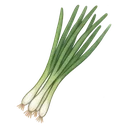 Green onions
- Kale
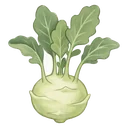 Kohlrabi
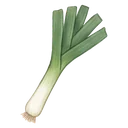 Leeks
Leeks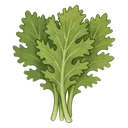 Mustard greens
 Onions
 Parsley
 Parsnips
 Peas
Peas Radishes
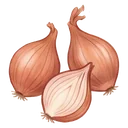 Shallots
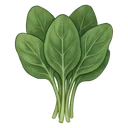 Spinach
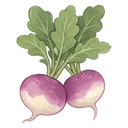 Turnips
Perennials, garlic and bulbs












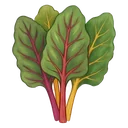
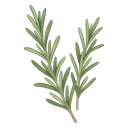
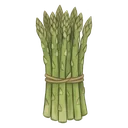


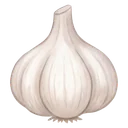





Dates are medians from NOAA 1991–2020 climate normals: in half of all years the freeze comes earlier. Perennials, garlic and bulbs rest in the ground over winter; how cold a winter they take depends on your hardiness zone.
What counts as a frost
28 to 32 °F
Light freeze
Tender crops are damaged or killed; light-frost crops come through.
24 to 28 °F
Moderate freeze
Light-frost crops can be damaged. SDSU names the cole crops, such as broccoli, cabbage, kale and turnips, among the hardiest vegetables; they come through. The National Weather Service calls 28 °F or colder a hard freeze.
below 24 °F
Severe freeze
Few vegetables take it: SDSU names horseradish, which can stay in the ground over winter under mulch. Pick the hard-frost vegetables, or cover them, before a night this cold.
The groups follow the cold-tolerance table of Purdue Extension: The fall vegetable garden where it lists the crop; the temperatures are from SDSU Extension: Fall frost tolerance of common vegetables, and the hard freeze definition from the National Weather Service: frost and freeze. Checked September 29, 2026.
Where the lists differ
Extension lists do not always agree. Each crop here has one group, the one the planting calendar and the crop pages use. Where the lists differ:
- Radishes, spinach, peas, parsley and onions are hard-frost crops in Purdue's table and here, but SDSU puts them with the light-frost crops, 28 to 32 °F. It does the same with garlic, chives and rhubarb, which Purdue does not list; here they are with the hard-frost crops because they rest in the ground over winter.
- Carrots are with the hard-frost crops here, but Purdue and SDSU both put them with the light-frost crops, so take 28 °F as their limit.
- Parsnips are light-frost crops in Purdue's table; SDSU says to dig them after several moderate freezes, 24 to 28 °F, and to pick Brussels sprouts the same way.
- Potatoes take a light frost in Purdue's table and none in SDSU's.
- Bok choy, a Chinese cabbage, is a light-frost crop for Purdue and takes moderate freezes, 24 to 28 °F, for SDSU. SDSU gives cauliflower 26 °F.
- Neither list names tomatillos, arugula, leeks, green onions, shallots, asparagus, strawberries, the flowers or the herbs other than parsley and chives. Their group here is our own, from general garden practice, with no tested temperature behind it.
If a night near the edge of a group is forecast, cover the plants to be safe.
Questions about frost
Is mint frost tolerant?
Yes. Mint is a hardy perennial, in the hard-frost group here, and Utah State University Extension says it is generally hardy to −20 °F in winter. The plants rest over winter and grow again from their roots in spring.
Which crops taste better after a frost?
SDSU Extension says parsnips, salsify and Brussels sprouts are best dug or picked after several moderate freezes, 24 to 28 °F, and that root crops build up sugars once the soil is below 40 °F.
Can tender crops get through a light frost?
Sometimes, with cover. Purdue Extension notes that Indiana often has several more weeks of good growing weather after the first frost, and suggests covering beds with blankets or light cloths held up by stakes or wire, so the cloth does not crush the plants.